

 November, 24 2025

Moving into a prefabricated home is exciting. The build is efficient, the design is smart, and everything feels clean and new. But like any home, ongoing maintenance plays a big role in how well it performs over time.
Whether your prefabricated build is designed to be a permanent residence, a backyard dwelling, or one of many modern shipping container houses, good maintenance habits help protect your investment, extend its lifespan, and keep it comfortable year-round.
This guide breaks down the top seven maintenance tips every prefabricated homeowner should know, with practical advice that applies specifically to container-based builds.
Ventilation is one of the most important factors in maintaining a prefabricated home, especially steel-based structures.
Because shipping containers are airtight by nature, airflow needs to be carefully managed to prevent stale air, moisture buildup, and long-term issues. Poor ventilation is one of the main causes of shipping container condensation, which can lead to mould, unpleasant odours, and damage to internal finishes if left unchecked.
To keep your home healthy:
Sonic Steel’s builds are designed with Heat Recovery Ventilation systems (HRV) that balance fresh air intake with moisture control. Still, regular checks ensure those systems continue performing as designed.
For a deeper understanding of why airflow matters: From Steel Box to Dream Home: How Smart Ventilation Transforms Container Livingis a useful reference.
High-quality insulation is one of the biggest advantages of a professionally built prefabricated home. It keeps interiors comfortable, improves energy efficiency, and reduces noise.
However, insulation is not something you install and forget about forever.
Seasonal temperature changes can highlight areas where insulation performance needs attention. If parts of the home feel noticeably warmer or cooler than others, it may be time for a closer look.
Maintenance tips include:
In container builds, shipping container insulation plays a critical role because steel conducts heat quickly. Sonic Steel’s systems are designed to minimise this, but regular inspections help ensure insulation continues to perform as intended over time.
Prefabricated homes built from shipping containers are incredibly durable, but exposure to the elements still requires attention.
Steel surfaces rely on protective coatings to prevent corrosion, especially in coastal or high-moisture environments common across container homes Australia–wide.
Every few months, it is worth:
Catching small issues early prevents larger structural problems later. This is particularly important for relocatable or semi-relocatable builds that may experience movement during transport or installation.
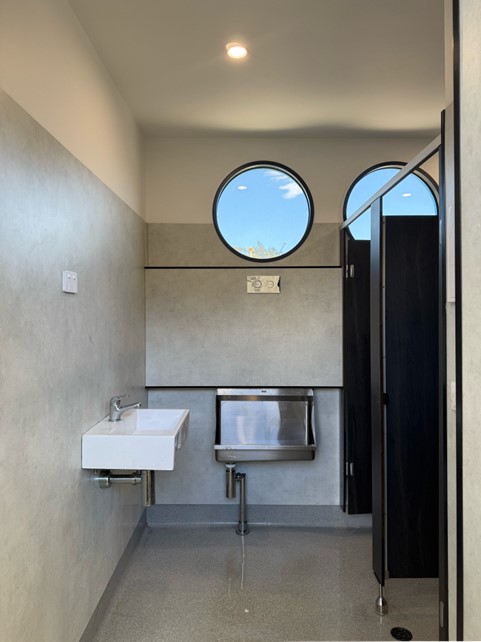
Condensation is one of the most common concerns new container homeowners raise, and for good reason.
While modern prefabricated homes are designed to manage moisture effectively, changes in daily habits can still impact indoor humidity levels.
Simple practices make a big difference:
Being proactive with shipping container condensation management protects internal linings, fixtures, and air quality. If condensation appears unexpectedly, it may indicate a ventilation issue that needs professional assessment.
Plumbing in prefabricated homes is compact and efficient, but that also means issues can escalate quickly if ignored.
Regular checks should include:
Doors and windows are critical to both comfort and energy efficiency.
Over time, seals can compress, frames can shift slightly, and hardware can loosen. In a steel structure, even small gaps can affect temperature control and moisture management.
Maintenance tasks include:
Well-maintained openings support insulation and ventilation systems, helping your home stay comfortable year-round.
While day-to-day maintenance can be handled by homeowners, periodic professional inspections add an extra layer of protection.
A qualified builder or specialist familiar with prefabricated and container-based homes can assess:
Sonic Steel’s experience across residential and commercial container projects means they understand how these homes age and what to watch for over time. Professional check-ups help ensure your home continues performing as designed, especially as it settles into its environment.
A light visual check every few months is ideal, with more thorough inspections annually or after extreme weather.
Not necessarily. When built properly, shipping container houses can be easier to maintain due to their structural strength and simplified systems.
Relocatable container homes may need additional checks around joints, connections, and services, especially after relocation.
The best maintenance strategy starts with good design. Homes built with proper insulation, ventilation, and moisture control systems require less corrective maintenance over time.
This is why professionally built prefabricated homes often outperform rushed or poorly modified builds. If you are interested in learning more about build quality and modification standards, Can You Modify a Shipping Container? Exploring Your Options offers helpful background reading.
A prefabricated home is designed to last, but like any property, it performs best when maintained thoughtfully.
By staying on top of ventilation, insulation, moisture control, and regular inspections, you protect both comfort and value. Small, consistent actions today prevent major repairs tomorrow.
If you want expert guidance on building or upgrading your prefabricated container home, our Sonic Steel team can help. Our experience across custom-built container homes, relocatable builds, and long-term performance systems means you get advice tailored to your home, not generic solutions.
Get in touch with us to ensure your prefabricated home continues to perform at its best for years to come.
January, 22 2026
Why More Australians Are Choosing Shipping Container Homes
December, 19 2025
Step-by-Step Guide to Converting a Shipping Container into an Office
November, 24 2025
Top 7 Maintenance Tips for Your New Prefabricated Home
October, 15 2025
How to Maximise Space in a Shipping Container Home: Secrets Revealed
September, 25 2025
Can You Modify a Shipping Container? Exploring Your Options

Use the form below to drop us an email if you have any question or comments.