

 May, 20 2026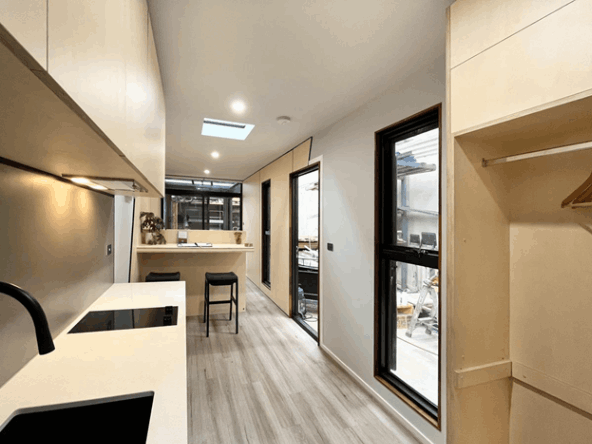
How you can buy a home in Australia is changing. Rising construction costs, longer build times and delays, and a growing desire for more sustainable living have people looking beyond the traditional bricks and mortar style of home building. Two alternatives to the ‘traditional’ home construction method are shipping container homes and capsule homes..
Both styles are built off-site, some capsule homes are even built off-shore and imported to Australia. and then delivered to the site. Both types of home are a quicker path to completion and both are more affordable than a traditional build and more environmentally friendly. However, beneath the surface there are some key differences in design and construction methods, and regulatory requirements.
If you’re looking for a shipping container home in Victoria or researching modern housing solutions across Australia, understanding the differences between these two styles of housing can help sway you one way or the other and help you make the best choice for your lifestyle and your block.
In this article we will break down what each style of home is, their benefits and differences, so you can weigh them together to make an informed choice.
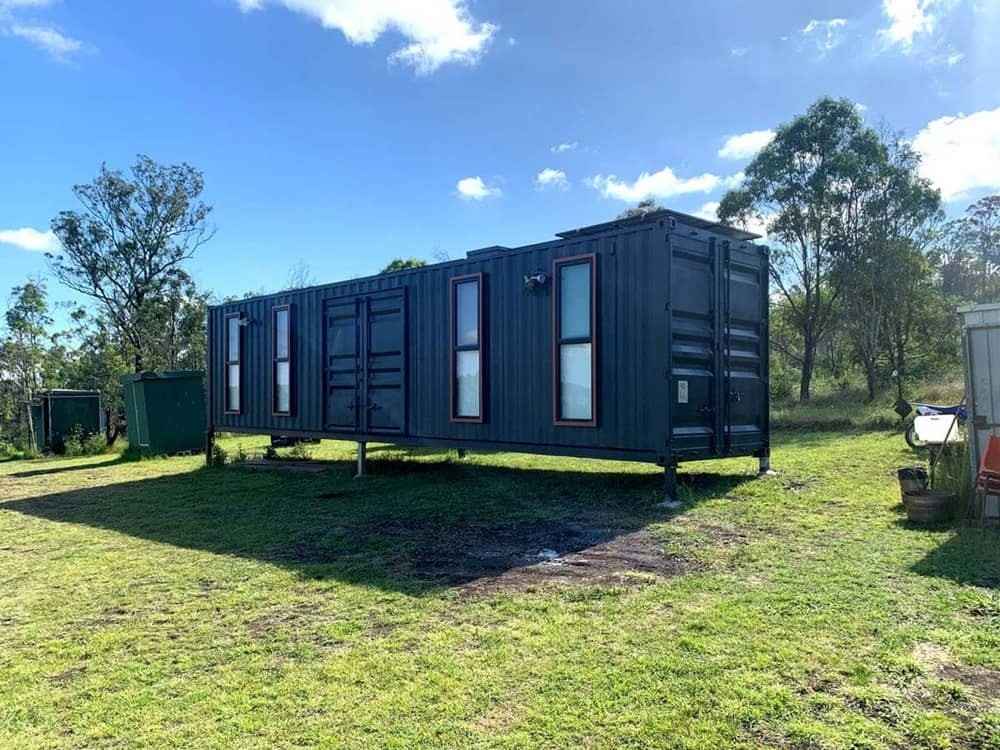
A shipping container home is a home constructed from one or more repurposed, or new, steel cargo shipping containers. They are highly customisable, eco-friendly and can range from compact tiny homes to multi-story sprawling abodes.
You will need a little imagination when designing a container home as there are some space limitations. They are rectangular and comparatively narrow. Some out-of-the-box thinking may be required to get the desired shape and layout for your perfect home.
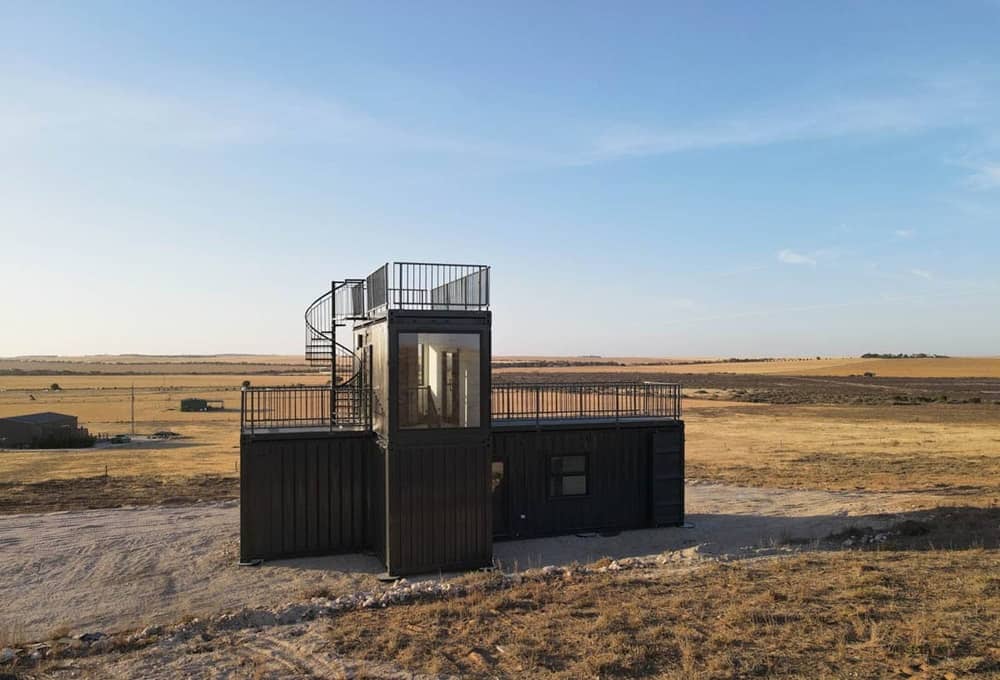
Step one is to research the local zoning so you know you can install a container home. Rules for shipping container homes and tiny homes have strict building codes in some areas.
Then you draft a floor plan with a designer. As mentioned before, containers are rectangular in shape, so you will need some imagination if you want to break the square mold with your designs.
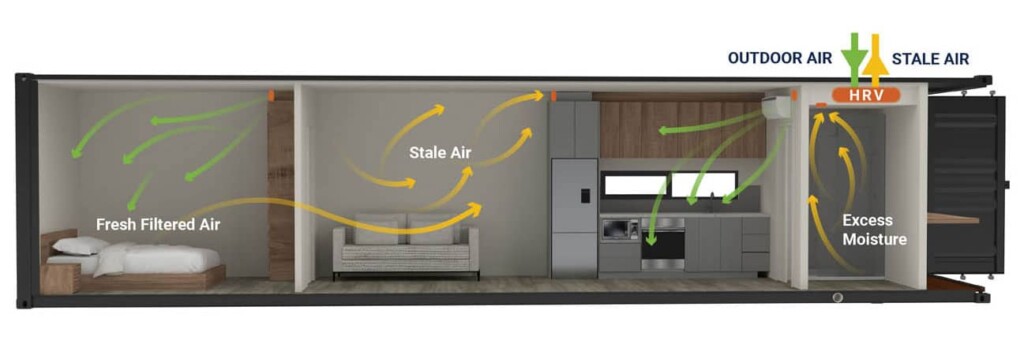
Insulation and ventilation are important with container homes. They can heat up quickly and get very stuffy without adequate ventilation.
For Insulation, Sonic Steel have block-moulded polyurethane panels for insulation in the walls and ceiling, and we insulate beneath the floors as well. We also utilise double-glazed windows for further insulation.
Shipping containers are built air-tight, so ventilation is vital. Sonic Steel builds have an ingeniously designed ventilation system to ensure a fresh air exchange between the interior and exterior.
The Container home is delivered to site and installed.
A capsule home is a self-contained, prefabricated home unit that is usually small in size. Think of the tiny-home movement, coming in at around 40 square meters of floor space. They are generally made with a futuristic, modern aesthetic in mind with loads of current tech built in.
They are very easily transportable and are often used as temporary or emergency housing in disaster relief programs. This can give you an idea of their convenience and ease at which they can be purchased and set up. This aspect has its ups and down. A speedy install of a home, however the quality can sometimes lack for a more permanent home.
Capsule homes are prefabricated structures that are built in a factory. They are made with highly durable and weather-resistant, aviation-grade aluminum.
Heavy-duty galvanised steel is used to create a rigid frame for the shell. This shell is encased with rust-proof aviation-grade aluminium and tightly sealed with polyurethane foam for energy efficiency.
The interior is then fitted- walls, flooring and furniture are installed. All the plumbing, air conditioning and electrics are fitted in the factory as well, so too the windows.
The site is cleared and levelled and the foundations are prepared. As the shape of the home is already known, the site clearance and foundation set up is a standard job.
A crane delivers and places the capsule home on site. Some homes are constructed from multiple capsules, so they are bolted together. Utilities are connected, sewerage hooked up, internet and all other needs.
| Capsule Home | Shipping Container Home | |
| Design & Layout | Can be very copy & paste, but there are customisation options to be considered before construction begins at the factory | Dictated by predefined length and widths but with some imagination you can create some great layouts. Stacking multiple containers is possible with some stunning results. |
| Scaling to Large Dwelling | Capsule ranges are mostly single-pod or small footprint by design — expansion usually means adding separate pods nearby (a cluster) rather than physically joining units into one structure | The modular nature of containers allows creative configurations and expansions, Sonic Steel so a single container can later become a 3-bedroom, 2-bathroom family home with open-plan living, or a multi-room commercial fitout. Sonic Steel's modular and custom designs let a home expand over time, joining multiple containers side by side or building double-storey, and a Multi Container option is built specifically for larger living quarters. |
| Transportation | Lightweight (steel frame, composite/aluminium panels) which is easier to crane and truck, often deliverable on a standard flatbed without specialised heavy haulage. Smaller models can sometimes be moved without a permit escort. | Built on a standard ISO steel chassis, so they're designed for road, rail and sea transport from the outset. Full weight (steel walls + insulation + fit-out) usually needs a crane truck and, for multi-container builds, a low-loader or pilot-escorted oversize load depending on state rules. Sonic Steel works with transport companies that service Australia-wide. |
| Relocation | Marketed heavily around relocation. Most ranges in the market are pitched as "set down in 1–3 days," with delivery via truck and crane and minimal site prep | Also relocatable, but the steel shell adds weight and complexity to the lift/transport. Sonic Steel positions multi-container relocatable homes as suited to growing families, investors and rental/Airbnb use. |
| Energy Efficiency | Can be engineered to accommodate insulation for different climates. | Require extensive insulation to prevent condensation and keep the space livable. |
| Structural Integrity | Built with aviation-grade aluminium and tested for extreme weather conditions. | Containers are built to be stacked and hold heavy weight - up to 30 tonnes each - so they are cyclone-ready. The structure will need to be reinforced when cutting doors and windows to ensure structural integrity |
| Council & Building Approvals | Council approvals are often sought prior to design and construction to ensure all requirements are met, making council approval straight forward. | Same as Modular Home |
| Costs | The costs would reflect quality and your budget. The price range is large, from $30,000 to $150,000. | Low costs for DIY and non-compliance systemsHigh costs for proper insulation and ventilation systems such as Sonic Steel’s |
The great thing about container homes is how you can make so many design decisions along the way. A container home can show off your signature style with a few changes here and there.
If your property is in a remote area, building container homes is likely more affordable as finding tradies for on-site construction might be difficult and costly.
The process journey for a container home with Sonic Steel is easy, too. After the initial enquiry you can come in for a showroom visit, or you can view our modern container designs online, such as our two-bedroom Mark V design.
Once you’ve chosen your design from our range, we can consult with you on any changes, modifications and customisations that you need. This is the fun part of the process. We talk with you about what you need in a living space. How many bedrooms do you need, how much living space would you like? Did you want a larger kitchen, an en suite bathroom?
Then we build the container home and deliver and install YOUR home for you.
The joy of customisation is evident with both shipping container homes and modular constructions.
If you want a home with a more traditional look, then a modular design would be for you. Understand the upfront costs will be high, and some of the modules may need special transport options if they’re too wide.
If you want an individualistic style, something that looks distinct, is easy to transport and highly durable, shipping container homes are for you. Cheaper upfront too, they can be a blessing on your bank account. You will need to retrofit them, insulate and ventilate the containers, but Sonic Steel can have that all arranged easily enough. Container homes are often a great choice for a drop-in temporary accommodation as well.
The right choice ultimately comes down to your priorities, for the aesthetic you’re looking for, the finances available to you, how flexible you want to be with your home layout.
Sonic Steel specialises in high-quality shipping container homes built for you all across Australia. We have container home designs to suit different lifestyles, blocks and budgets. If you’re considering a shipping container home in Victoria or a container home in NSW, or anywhere around Australia, get in touch with our team today, so we can start planning your dream home together.
May, 20 2026 Shipping Container Homes vs. Modular Homes: Understanding the Key Differences
April, 30 2026 How Shipping Container Homes Are Installed On-Site: Step-by-Step Guide
March, 20 2026 Not All Shipping Container Homes Are Made Equal: What Buyers Must Check Before Investing
February, 16 2026 9 Key Factors to Consider Before Buying a Prefabricated Home
January, 22 2026 Why More Australians Are Choosing Shipping Container Homes

Use the form below to drop us an email if you have any question or comments.