

 March, 20 2026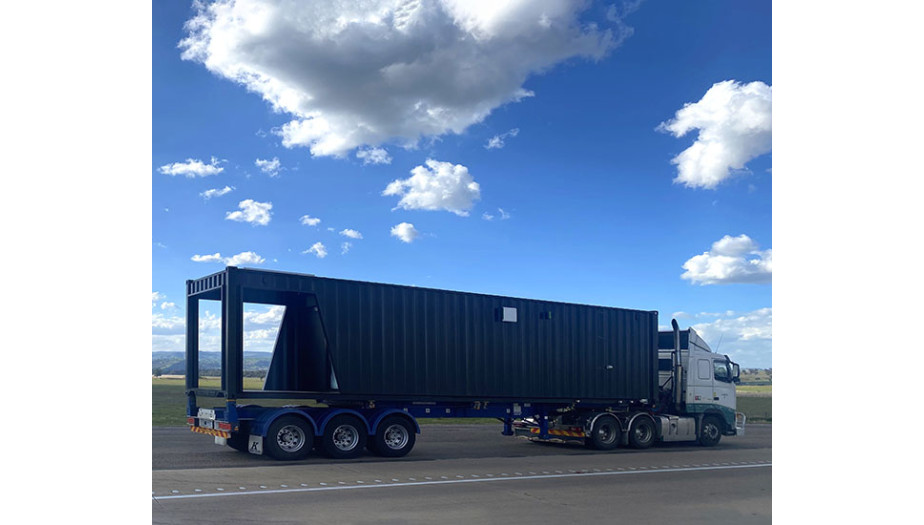
Shipping container homes are a marvel of modern design and sustainability. Repurposing used shipping containers is a sustainable way to reduce your environmental footprint while still having a stunning looking home. But not all that glitters is gold. At first, it may seem like all shipping container homes in Victoria look the same. In reality, some are pale imitations to the kind of quality available right here at Sonic Steel.
Before you splurge your hard earned cash on a new container home, you need to do some research and due diligence. In this article, we’re going to help you understand what to look out for in a quality shipping container home.
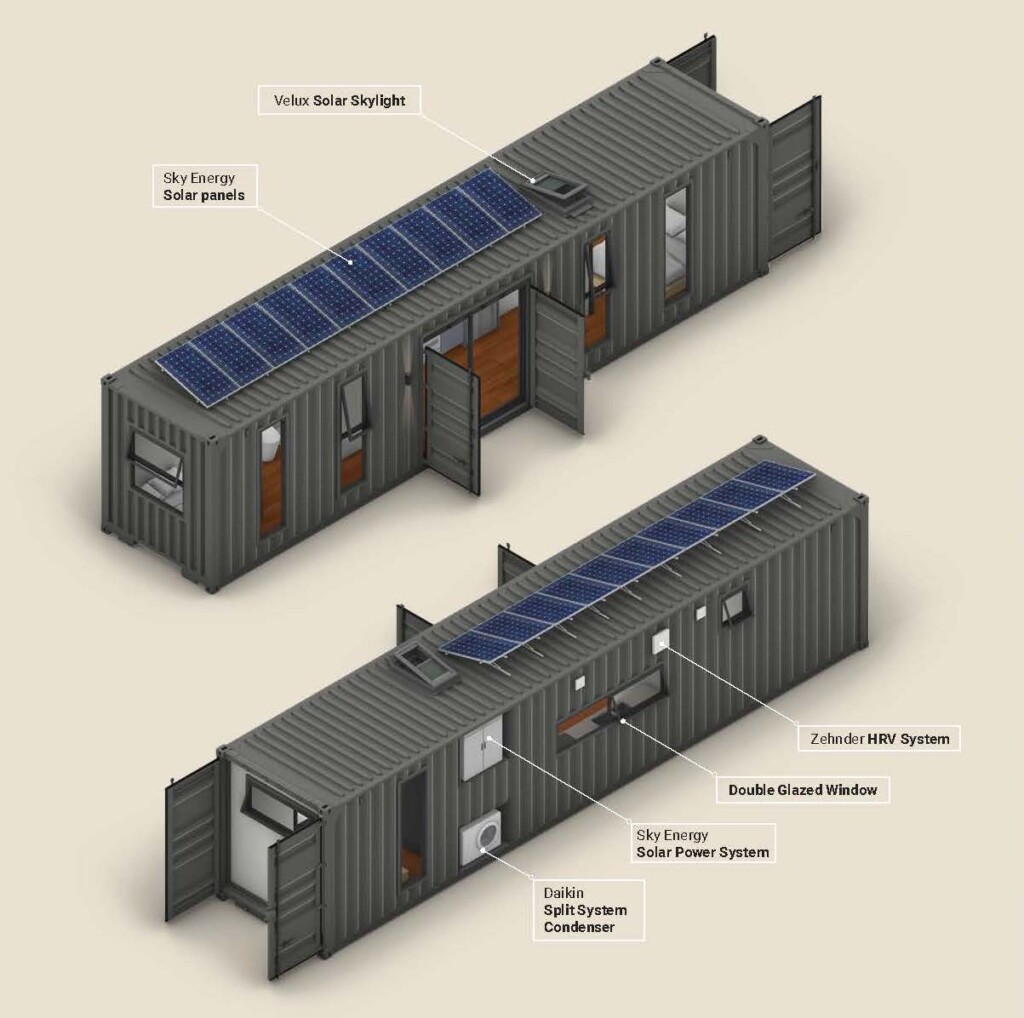
A shipping container home is a sustainable and durable home made using repurposed, or new, steel shipping containers. They are modular and very customisable and range in size from tiny homes, like our Mark VI, up to large, multi-container homes that can be rather luxurious.
Sonic Steel’s shipping container homes are constructed from new 20-foot and 40-foot corten steel containers, which are high-cube for the extra head room and height compliance. They are also remarkably relocatable and transportable. If you want to move house, you can literally move your house.
They are highly durable and can easily last up to 50 years. They are specially insulated and ventilated so you aren’t sitting in a metal hot or cold box. They are just as comfortable, if not more, than a standard home built with brick.
The design options when building with shipping container homes are great. You do need to realise that each container is a narrow space, rectangular, and needs to be insulated and vented, but what you can build with them, much like building blocks, can be fantastic, and most of all, absolutely unique for you. You can own a home that no one else in Australia has.
There are legal requirements and council approvals, of course, but Sonic Steel can assist you with all that paperwork.
The first official record of a shipping container being used as a home came in November of 1987. A man named Phillip Clark filed a patent for the method of converting one or more steel shipping containers into a habitable building. (Source - Container One)
If you step back two years, in 1985 shipping containers were used as buildings in the movie Space Rage, so the idea was out there.
In 1994 Stewart Brand wrote a book - “How Buildings Learn: What Happens After They’re Built”, which was turned into a 6-part television show for the BBC. It was the first book to mention converting shipping containers into buildings.
Then, in 1998, The Simon’s Town High School Hostel, in Simon’s Town, Western Cape, South Africa, became the first building to be totally built from shipping containers.
The trend of shipping container homes really took off in the early 2000’s. In Australia it became big news when Todd and Di Miller lost their home in the 2011 Queensland floods. They rebuilt their home to be flood proof, from 31 repurposed shipping containers, and it is named the Graceville Container House.
The popularity of shipping container homes has grown every year. For people looking to live in eco-friendly housing and wanting to design something truly unique to them, the Tiny Home Movement offers a way to live with as small an environmental footprint as possible. Sonic Steel shipping container homes in Victoria, NSW and across the country are helping many homeowners realise their dreams through the smart choice of a repurposed shipping container home.
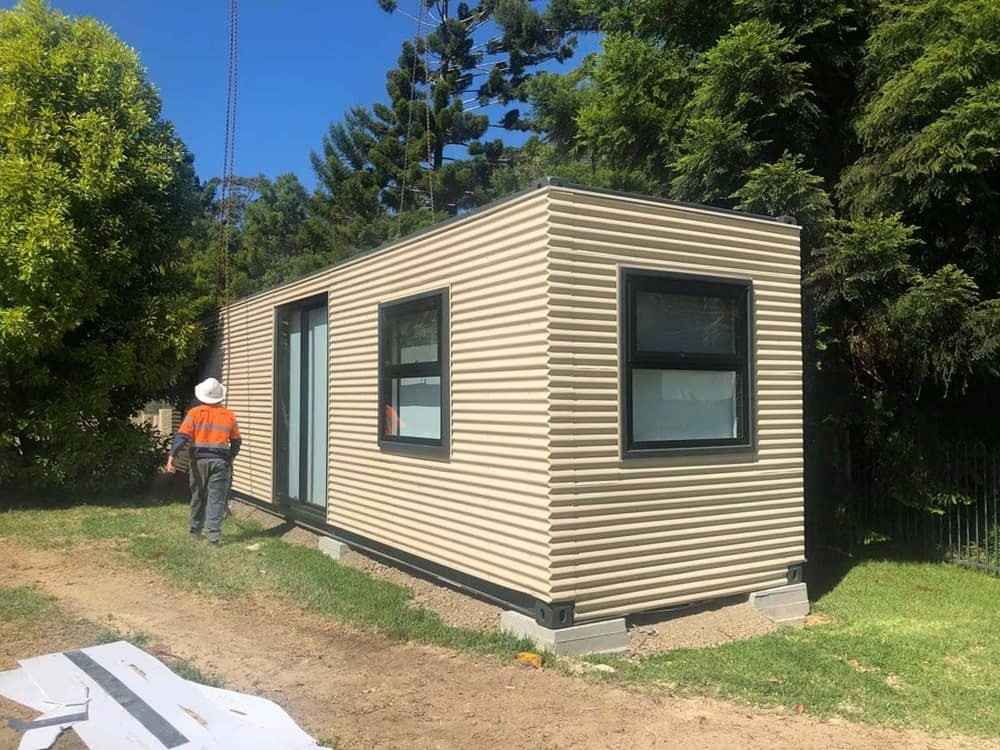
With all the good news and positivity surrounding shipping container homes you should, as a conscious investor, investigate many things about the containers before you commit. Turning a metal box into something that is fit for human habitation takes quite a bit of work. Any shortcomings in this process can leave you out of pocket and with a less than ideal home.
Luckily for you, Sonic Steel only use brand new containers for all our projects. We do all the checking and investigating for you. These are the things we look for before giving our stamp of approval:

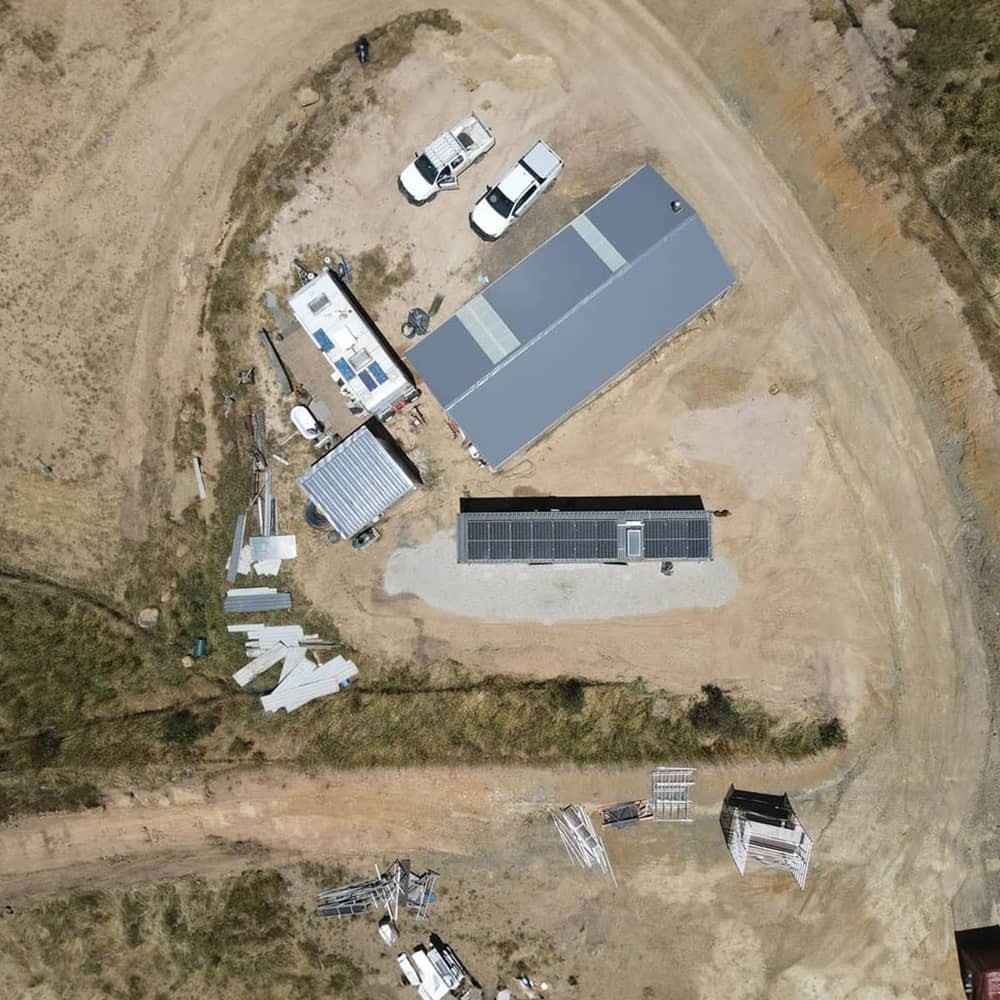
At the site, you need to make sure there is enough room for each container to be delivered. Can the delivery truck, be it a tilt-tray, a side loader or a crane, have enough room to unload safely?
Here is a quick checklist for you to help when it comes time to investigate shipping containers as a good home.
| Item | Action |
| Check local zoning | Confirm with local councils on planning and building requirements |
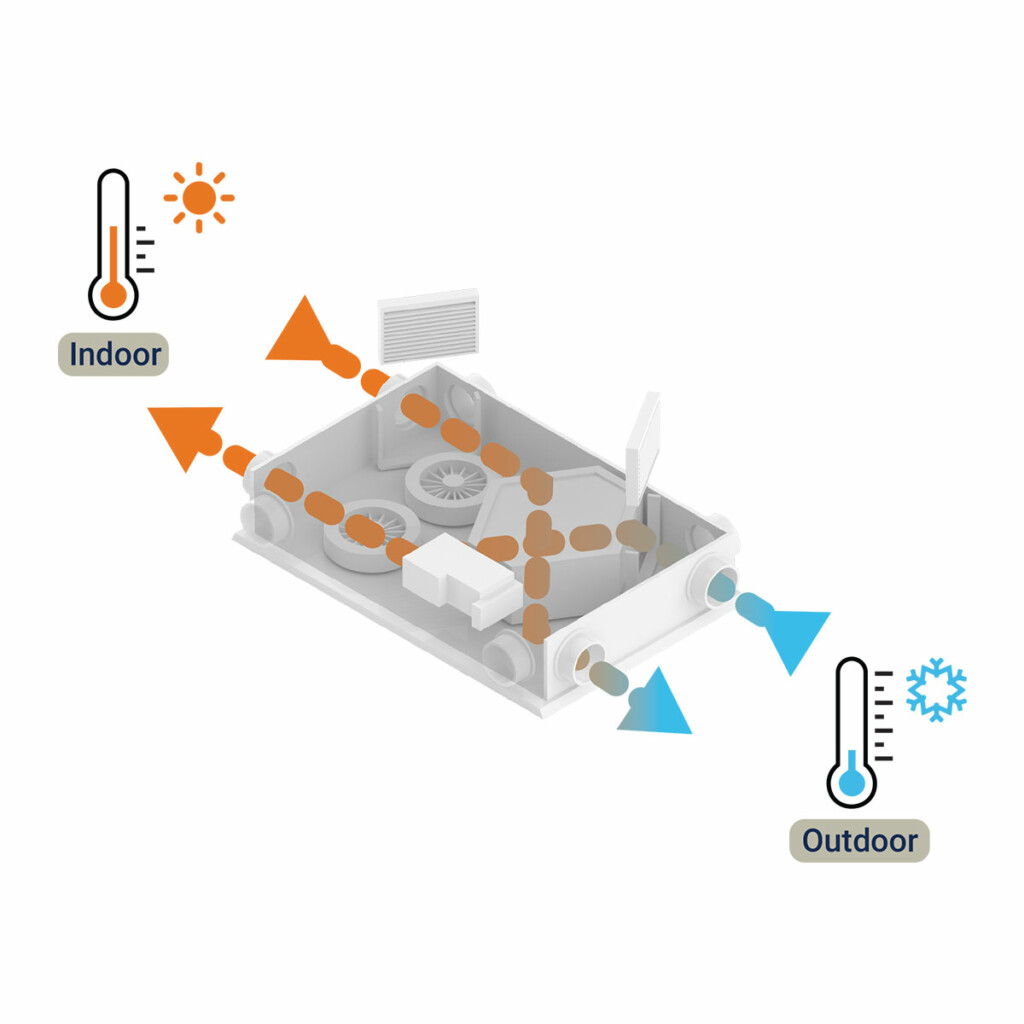
| Plan insulation | Polyurethane for insulation to prevent condensation. Have a thermal-efficient mechanical ventilation system installed as well. |
| Hire engineer | Verify structural safety of any cuts made to the container. Sonic Steel has qualified engineers who can help you with this. |
| Confirm delivery | Can the site handle the delivery of your containers? |
Are you interested in having your very own shipping container home in NSW, Victoria, or elsewhere in Australia? Sonic Steel are leading experts when it comes to designing buildings and installing your shipping container home. We’ve been successfully helping people realise their dreams since 2014.
Be inspired by what is possible by browsing the projects we’ve built around Australia.
Contact us today on (03) 9364 8797. You can enquire online for a quote, or email [email protected]. You can also view our brochure for detailed information on all of our designs!
May, 20 2026 Shipping Container Homes vs. Modular Homes: Understanding the Key Differences
April, 30 2026 How Shipping Container Homes Are Installed On-Site: Step-by-Step Guide
March, 20 2026 Not All Shipping Container Homes Are Made Equal: What Buyers Must Check Before Investing
February, 16 2026 9 Key Factors to Consider Before Buying a Prefabricated Home
January, 22 2026 Why More Australians Are Choosing Shipping Container Homes

Use the form below to drop us an email if you have any question or comments.