

 April, 30 2026
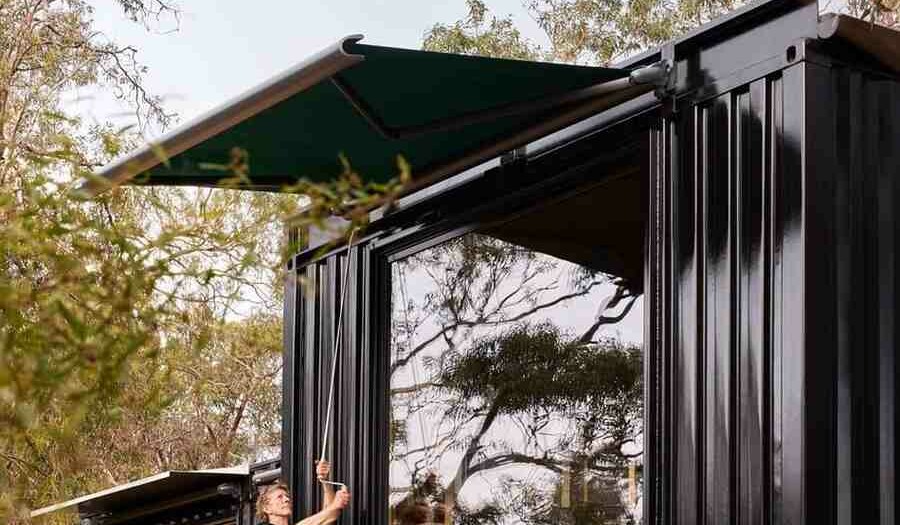
Have you been curious about shipping container houses? You’ve also browsed some designs on our website and seen that they can be quite stylish and less boxy. Now you’re wondering- how are container homes in Australia installed? What can I do to have one of these fantastic homes built for me and installed on my block of land?
While building and installing a shipping container home in Victoria or NSW can often be easier and cheaper than building a traditional home, there is still a lot of prep work and other considerations you need to understand.
If this article brings up more questions, feel free to contact the team any time to ask us questions and get some clarity.
Before installing a shipping container home on your block, there are steps you need to follow to ensure easy and smooth delivery and set up. Let’s go through the steps for setting up your site.
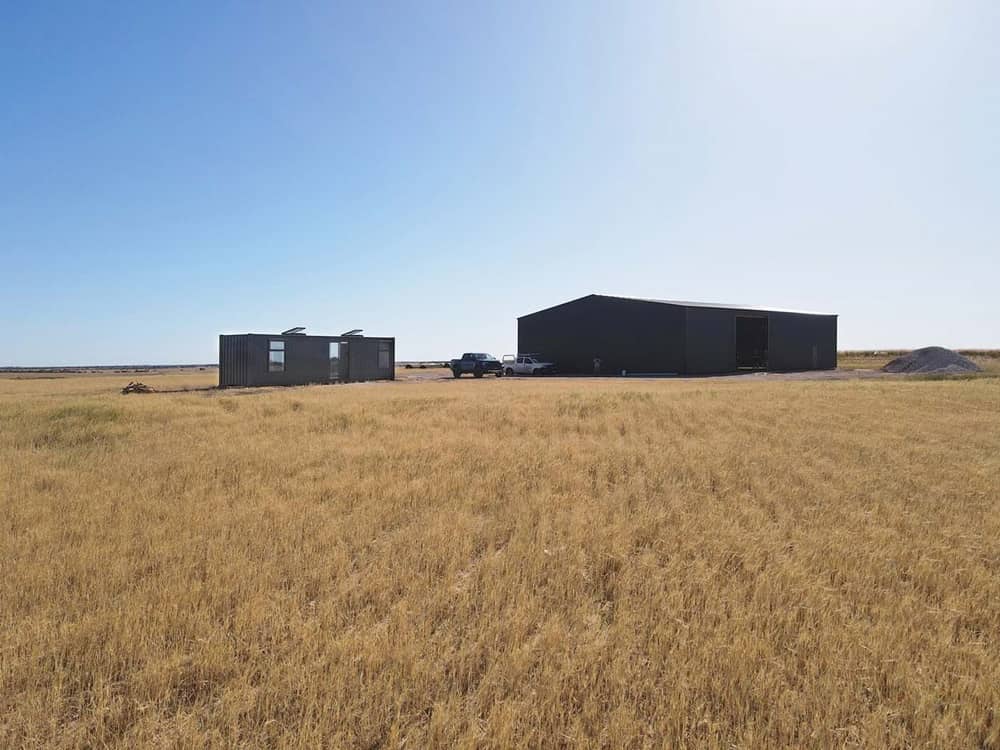
Shipping containers have flat undersides, naturally. This means they need flat ground to settle on. The more level the ground the less work needs to be done to support the shipping container to avoid tilting, sinking or slipping once it is delivered.
Professional tradies with earth moving equipment can prepare the ground and install the footings in accordance with engineering specifications before the delivery of a shipping container.
If it is too difficult to fully level the ground (e.g. steep slope), then pier footings can be designed to stabilise and level your container when it is being installed.
Make sure there’s no pooling water either on the ground where the shipping containers are going to be laid, or nearby. Pooling water can damage the container itself, with rust and corrosion or mould over time. It can also significantly impact the soil, which can damage foundations and cause your home to sink.
Vegetation, and trees in particular, with deep root systems, can make levelling ground difficult at the beginning. Over time as the trees grow, the roots can destabilise the soil your home sits upon, or even damage the plumbing.
Try to have a good clearance around your pending homesite from trees and vegetation. We recommend five to six metres of clearance around your home of tree coverage. Not only will this help prevent root damage, if you install solar panels on your roof, it assists with having no shadows and blockage of the sun to your panels.
A shipping container home is considered a standard Class 1a dwelling under local building regulations which is a single, detached house or an attached dwelling, similar to a townhouse or terrace, separated by fire-resisting walls.
Local zoning needs to be checked to confirm if your new home may be installed. You will need to obtain a building permit or a development consent. You will also need structural certification to prove integrity of the container for when doors and windows are cut into it.
The council will need site details showing where the container home will be placed in relation to boundary lines. And you must adhere to building codes of compliance in terms of insulation, fire safety and plumbing standards.
As per the above in regards to permits, you need to choose the right location for your container home. This involves finding level and well drained land, as mentioned in steps 1 & 2. You also need to consider access for heavy vehicles to deliver your home. Wanting your container at the top of a hill for the view is a great idea, but if a heavy vehicle cannot crane your home into location, you could be in some trouble.
Other things to consider when choosing your container location is the facing, where the sun rises and sets, for example. Do you want a sunrise bursting into your bedroom? Sunsets in your loungeroom?
The type of foundation you use for your shipping container can depend on the soil type, engineering design or what you intend with your container home.
Concrete pads are durable and long-lasting foundations and perfect if your container home is going to be a permanent fixture. A concrete slab is not required as point loads are sufficient. The size of depth of concrete pads will be determined by the engineer based on the soil type.
Screw piles are high-strength steel foundations screwed into the ground - acting like large screws - to support the structure. They provide superior, immediate, and high-load bearing capacity in various soil types, offering a fast, clean, and often more cost-effective alternative to concrete piers.
Engineered footing systems (e.g. Surefoot): Surefoot is an innovative footing system that utilises a unique shape and high strength galvanized steel to form an efficient pile cap. The system works by driving piles into the ground, securing the cap, which effectively harnesses the opposing forces of multi-directional piles and skin friction.
The foundation needs to be in place before the shipping container home can be delivered and installed on site. Hiring professionals to do this will reduce the pain and frustration of doing it yourself.
The foundation needs to be levelled and strictly follow the engineering design.
Having the perfect location and preparing your site for your new shipping container home is great, but you also need to have good access to your site for the delivery and installation of the container.
The most common delivery method for a container is via a tilt-tray truck which needs a clearance of 3 metres in width and at least 5 meters in height. They also need 20 metres, at least, for maneuvering and getting into position.
What you need to do to guarantee access for delivery:
The site is flat and has good drainage and you’ve installed the foundations, now it’s ready to go. Here we go, installing your new shipping container home.
Installing a shipping container home is a detailed and involved process but it is logical and manageable, especially with the professional help of Sonic Steel. We can help prepare your site, lay the foundations, design, deliver and install your container home in Victoria and NSW, and now in Perth. We will be with you from bare land to a beautiful, liveable home.
At Sonic Steel, we've been specialists in the shipping container industry since 2014, and we've helped Australians across Victoria, NSW, SA, and WA turn their container home ideas into reality.
We can custom design and build your perfect container home, or you can choose from the wonderful designs in our portfolio, Get in touch with us today to find out more.
May, 20 2026
Shipping Container Homes vs. Modular Homes: Understanding the Key Differences
April, 30 2026
How Shipping Container Homes Are Installed On-Site: Step-by-Step Guide
March, 20 2026
Not All Shipping Container Homes Are Made Equal: What Buyers Must Check Before Investing
February, 16 2026
9 Key Factors to Consider Before Buying a Prefabricated Home
January, 22 2026
Why More Australians Are Choosing Shipping Container Homes

Use the form below to drop us an email if you have any question or comments.